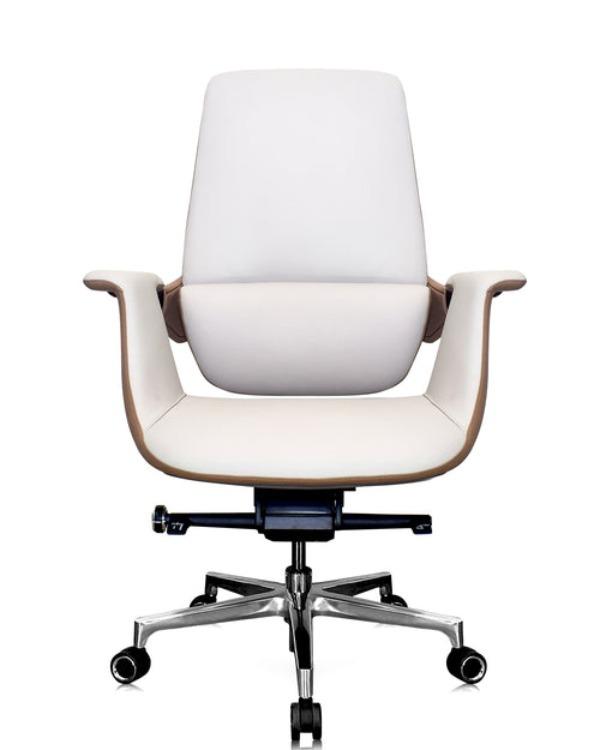
Office Workstation Table – Turning Workspaces into Productive Zones
In modern offices, co‑working spaces, and corporate complexes, the workstation table is where ideas are born, reports are written, and decisions are made. It is not just a piece of furniture; it is the daily stage for productivity. For a commercial project, choosing the right office workstation table can quietly influence focus, comfort, and even employee satisfaction. A well‑designed workstation is not about looking sleek for photos—it is about supporting how people actually work, day in and day out.
Why the right workstation table matters
In large offices and complexes, hundreds of employees sit at workstations for 8–10 hours every day. A poorly designed table—too short, too wobbly, or too cramped—can cause discomfort, fatigue, and low morale. On the other hand, an ergonomic, well‑built office workstation table can:
- Reduce strain on the neck, shoulders, and back.
- Give enough space for laptops, monitors, documents, and accessories.
- Make cable management easier so the workspace stays clean and professional.
For project managers and facility heads, this means fewer complaints, better attendance, and a space that feels more serious and well‑thought‑out.
Designed for real‑life office workflows
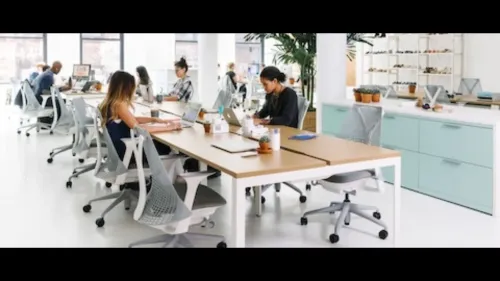
A good office workstation table for commercial projects is designed with real office workflows, not just good looks. In co‑working spaces, for example, people switch between laptops, notebooks, and phones, so the table must have room for all of them without crowding. In call‑centres and back‑office setups, employees need clear space for monitors, keyboards, and headsets, with easy access to power points and data ports.
Modern workstation tables often come in modular layouts—single, double, or multi‑desk configurations that can be arranged in rows, islands, or clusters. This flexibility helps project teams optimize space in narrow corridors, open‑plan offices, or multi‑floor complexes. Cable trays and grommet holes keep wires hidden, reducing tripping hazards and giving the workspace a tidy look.
Ergonomics that support long working hours
In commercial projects, where employees may sit for long stretches, ergonomic design is not optional; it is essential. A comfortable office workstation table should:
- Have the right height so that the arms rest naturally while typing.
- Offer enough legroom so people can adjust their posture without bumping into the desk.
- Combine with proper chairs and lighting to create a full, healthy workstation.
Many manufacturers now offer height‑adjustable or semi‑adjustable workstation tables, allowing teams to mix sitting and standing setups. For call‑centres and shared offices, this adaptability helps reduce fatigue and keeps employees more alert through the day.
Durability for high‑traffic commercial spaces
Commercial offices and complexes are very different from homes. Furniture there faces constant use, accidental bumps, and frequent cleaning. A good office workstation table must be built to handle this:
- Strong frames and solid or engineered boards that resist scratches and dents.
- Durable finishes that stay cleanable and do not chip easily.
- Sturdy joints and supports even when the table is loaded with monitors, CPUs, and documents.
For project managers, this means investing once in quality furniture instead of replacing cheap tables every few years. Durable workstation tables also maintain the professional image of the office, even after years of use.
Space‑efficient and brand‑friendly designs
In large office complexes and multi‑floor buildings, space is precious. A thoughtful office workstation table manufacturer designs units that:
- Fit neatly in standard office layouts without blocking movement.
- Allow for easy circulation between rows and clear access to emergency exits.
- Match the overall design language of the building—whether it is modern minimal, traditional, or corporate‑formal.
Many companies today want their interiors to reflect their brand. Workstation tables can contribute to this by using consistent colours, finishes, and edge profiles across all floors. For example, a neutral grey or light wood tone can look professional and calming, while a darker finish can feel more premium and serious.
How workstation tables help staff and management
For employees, a good workstation table means having a personal, organized space where they can focus. For management and facility teams, it means:
- Easier maintenance and cleaning.
- Fewer breakdowns and repair requests.
- More predictable budgeting since furniture lasts longer.
In shared spaces like co‑working hubs or training centres, modular workstation tables also make it easier to reconfigure layouts for events, workshops, or new tenants.
Building long‑term partnerships for future projects
Once a company discovers a reliable office workstation table supplier for commercial projects, they often return for future phases. The same team that designed and installed workstations for the first floor can extend the same layout and quality to new blocks, ensuring the entire complex looks unified and professional. A consistent, well‑designed workstation setup helps employees feel at home, whether they are in Tower A or Tower B of the same corporate campus.
Keywords