Why Choosing the Right Office Workstation Matters: A Practical Guide for Delhi Corporates and MSMEs
In today’s competitive business environment, the right office workstation does more than fill a room — it shapes productivity, comfort, and brand image. Whether you run an MSME in Ghaziabad, manage a corporate floor in Noida, or head operations for an MNC in central Delhi, picking functional, durable, and ergonomically-designed workstations helps reduce fatigue, increase employee focus, and make the most of limited office real estate.
Why office workstations are a smart investment
- Boosted productivity: Well-designed layouts reduce distractions and streamline communication, helping teams complete tasks faster.
- Better ergonomics, lower absenteeism: Adjustable desks and proper monitor placement prevent neck, back, and wrist strain, reducing workplace injuries and sick days.
- Optimised space usage: Modular and cluster workstations allow more employees per square foot while maintaining comfort.
- Professional brand image: Modern, coordinated furniture demonstrates professionalism to clients and visitors.
- Cost-effectiveness: Durable materials and smart layouts decrease replacement costs and future refits.
Types of workstations to consider
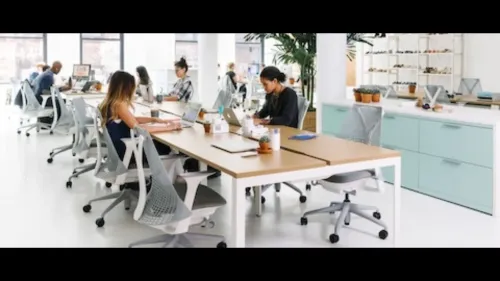
- Open-plan benching systems: Best for collaborative teams and startups; promotes communication and is cost-efficient.
- Cubicle-style workstations: Provide privacy for focused work or confidential tasks; ideal for accounting, HR, or client support teams.
- Modular panel systems: Flexible and reconfigurable — useful for fast-growing businesses that re-organize frequently.
- Sit-stand workstations: Promote health by allowing employees to alternate posture and reduce sedentary time.
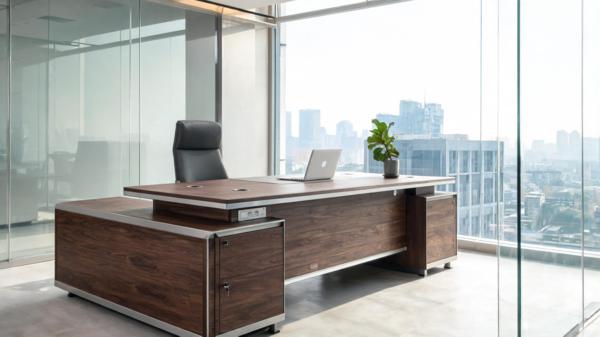
- Executive workstations: Larger footprint with storage and meeting surfaces for managers and team leads.
- Custom-built solutions: Tailored to your space constraints, workflow, and brand aesthetics — popular among MNC offices and design-conscious firms.
Key features to prioritise for Delhi offices
- Ergonomics: Adjustable keyboard trays, monitor arms, and appropriate desk heights (consider sit-stand options).
- Durable materials: High-quality laminate, metal frames, and scratch-resistant surfaces to withstand heavy use and Delhi’s dust.
- Cable management: Integrated channels and grommets for tidy power and network cabling, reducing trip hazards.
- Storage options: Lockable pedestals, overhead lockers, and under-desk storage to keep work areas uncluttered.
- Acoustic control: Panels and modesty screens to minimize noise in open-plan offices.
- Ventilation and finish: Breathable materials and finishes that resist heat and humidity common in North Indian summers.
- Local compliance and lead times: Suppliers who understand local delivery, installation requirements, and GST invoicing save time and reduce surprises.
How to choose the right workstation for your business
- Define the purpose: Is the space for focused work, collaboration, client meetings, or a hybrid?
- Measure and map: Create a scaled floor plan including doors, columns, and pathways to test layouts.
- Decide density: Balance the number of seats with comfort — target minimum clearances for movement and circulation.
- Prioritise ergonomics: Choose adjustable desks and supportive chairs; include monitor mounts and footrests when needed.
- Think long term: Select modular systems that can be reconfigured as teams grow or roles change.
- Ask about warranty and spares: Local manufacturing with spare-part availability reduces downtime.
- Trial sample: Request a mock-up or showroom trial for finish, color, and comfort validation.
Common problems clients face (and how to solve them)
- Problem: Cramped layout after team expansion.
- Fix: Move to modular benching systems or add flexible bench rows to increase seats without full renovation.
- Problem: Poor cable routing and messy floors.
- Fix: Use integrated cable trays, floor boxes, and vertical cable risers to centralize power and network points.
- Problem: Employee discomfort and rising sick leaves.
- Fix: Invest in ergonomic chairs, adjustable monitor arms, and sit-stand desks; conduct an ergonomic seating assessment.
- Problem: Noise and low privacy in open-office.
- Fix: Add higher acoustic panels, privacy screens, and soft-finish partitions, plus designated quiet zones.
- Problem: Long lead times and installation delays.
- Fix: Work with local manufacturers who provide quick fabrication, in-house installation teams, and clear project timelines.
- Problem: Poor durability in heavy-use areas.
- Fix: Choose reinforced frames, thicker laminates, and powder-coated metal parts for longevity.
Local considerations for Delhi / NCR buyers
- Delivery and installation: Pick suppliers who handle permits, site access, and evening installations to avoid business downtime.
- After-sales service: Local service teams and spare inventory ensure quick fixes.
- Climate-resilient materials: Choose finishes and cushions that withstand dust and summer humidity.
- GST & invoicing: Verify provenance and paperwork for smooth procurement and tax claims.
- Customized branding: Local manufacturers can match brand colors, logo panels, and signage for cohesive office identity.
Procurement checklist (quick)
- Confirm seat count and desk allocation.
- Floor plan and electrical/data points.
- Ergonomic requirements (sit-stand, chair specs).
- Finish and color approvals.
- Warranty, lead time, and installation schedule.
- After-sales support and spare parts policy.
- Budget vs life-cycle cost comparison.
FAQs (ready for FAQ schema)
Q: How much space do I need per workstation?
A: For comfortable open-plan seating, allow 6–8 sq ft of desk surface per person and 30–36 inches of lateral clearance. For dedicated cubicles, plan 35–50 sq ft per person depending on storage needs.
Q: What is the ideal height for a workstation?
A: Standard desk height is about 740 mm (29 inches). Sit-stand desks should range from about 620 mm to 1250 mm so users can alternate between sitting and standing.
Q: How long does installation take for a typical 50-seat office?
A: For a local manufacturer with a trained crew, installation typically completes in 3–5 working days, depending on site prep and complexity.
Q: Are sit-stand desks worth the investment?
A: Yes — they improve employee comfort and reduce sedentary time. Choose models with reliable electric motors and warranties.
Q: Can workstations be reconfigured later?
A: Modular panel and benching systems are designed for reconfiguration and expansion; ask about connector kits and spare parts.
Keywords