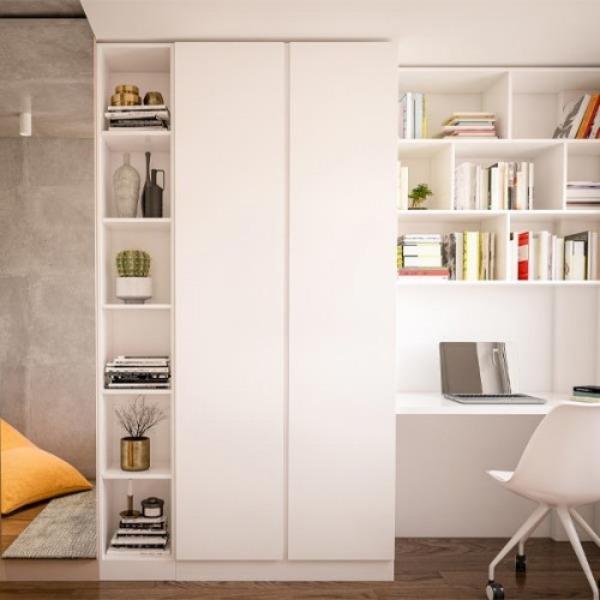
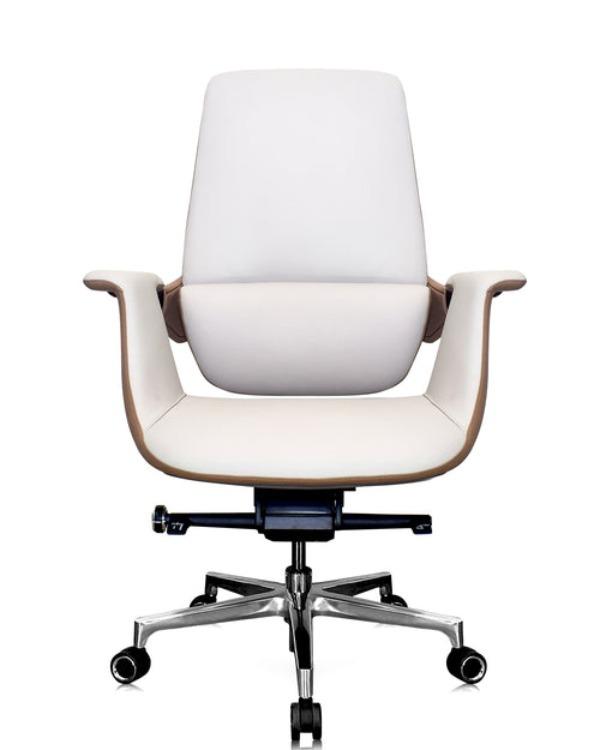
Wooden Wardrobe Manufacturer for Commercial Projects – Storage That Works Like Your Business (≈700 words)
When a company builds a new office complex, hotel, or staff accommodation, most people focus on desks, chairs, and meeting rooms. But quietly, behind the scenes, storage decides how smoothly the space functions every single day. For a wooden‑wardrobe manufacturer working on commercial projects, the job is not just about making cupboards out of wood; it is about designing practical storage systems that match how employees, guests, and staff actually live and work.
Why commercial spaces need smart wardrobes
In offices, hotels, staff quarters, and residential complexes, wardrobes are not luxury items; they are hygiene tools and comfort tools rolled into one. A well‑made wooden wardrobe in a staff room keeps uniforms, shoes, and personal bags organized instead of scattered on benches. In a hotel staff block, lockers and cupboards protect their belongings and keep corridors clean. In commercial offices, personalized storage lets employees start their day feeling settled, not stressed.
A wooden‑wardrobe manufacturer for commercial projects understands this difference. Residential furniture is about style and comfort for one family; commercial furniture is about durability, safety, and ease of maintenance for hundreds of people over many years.
Custom design for real‑world commercial spaces
No two offices or complexes are the same. One site may have narrow corridors; another may have shared staff rooms with limited wall space. A good wooden‑wardrobe manufacturer starts by asking questions:
- How many people will use this wardrobe area?
- What do they need to store—uniforms, jackets, bags, shoes, or office supplies?
- Are there space constraints or special layouts (like low ceilings, columns, or windows)?
Using these answers, the manufacturer designs wardrobes that fit the actual room, not an idealized showroom. For example:
- In a staff room with limited space, they may propose stacked cupboards or double‑deck lockers with individual locks for each employee.
- In a hotel back‑of‑house area, they might create uniform racks inside wooden cabinets so staff can pick up clean clothes quickly during shift changes.
- In an office complex, they can design modular wardrobe units with sections for coats, bags, and footwear, often combined with benches or seating for convenience.
These solutions are not copied from a catalog; they grow out of real‑site visits and practical thinking.
Materials that stand up to daily use
In commercial projects, the furniture faces far more wear than in a home. People open and close doors hundreds of times a day, bump into corners, and sometimes overload shelves. A wooden‑wardrobe manufacturer for offices and complexes chooses materials that can handle this:
- Strong engineered boards or solid wood frames with moisture‑resistant coatings to reduce warping in humid climates.
- Heavy‑duty hinges and handles that work smoothly even after years of use.
- Safe, easy‑to‑clean finishes so cleaning staff can wipe down surfaces without damaging the look.
The goal is not to build something “cheap and quick.” It is to create wardrobes that look professional on Day 1 and still look acceptable on Day 1,000.
Safety, security, and basic hygiene
In a commercial setup, a wardrobe is not just a storage box; it is a small security zone for employees and guests. A wooden‑wardrobe manufacturer working for offices and complexes thinks about:
- Lockable compartments for personal belongings so staff feel safe leaving phones, wallets, or documents inside.
- Ventilated designs so clothes and shoes do not smell damp, especially in shared rooms and basements.
- Good internal layout so people can access their items without disturbing others’ space.
For staff rooms in big complexes, manufacturers often design central lockers with individual keys or numbered sections, so HR can manage distribution without confusion.
Seamless integration with interiors and branding
Hotels, co‑working spaces, and premium offices often want their interiors to feel like a brand, not just a workplace. A wooden‑wardrobe manufacturer working on commercial projects can help coordinate:
- Wood tone and finish that match the overall colour scheme of the building or operator’s brand.
- Handle and frame styles that fit the design language—modern, minimal, or traditional.
- Subtle branding elements like engraved nameplates, company logos (where allowed), or consistent colour coding for different departments.
For example, a hotel staff block might use a uniform grey‑finish wardrobe with clear labelling, while a corporate office may choose a darker wood tone that matches the reception area.
Why a specialist manufacturer matters
Many people assume any carpenter or furniture shop can build cupboards for commercial projects. A wooden‑wardrobe manufacturer for offices and complexes offers something different:
- Understanding of commercial workflows—how staff move, change, and store their belongings.
- Experience with bulk orders—delivering 50, 100, or more units with consistent quality.
- Ability to adjust on-site—if the space is not exactly as planned, they can tweak designs without delaying the project.
For project managers, facility heads, or interior designers, this means fewer headaches, fewer mismatches, and less firefighting once the building is occupied.
Building long‑term partnerships
Once a company discovers a reliable wooden‑wardrobe manufacturer for commercial work, they tend to return for future projects. The same partner who supplied wardrobes for a staff room can later help with:
- Additional blocks in the same complex.
- Office–warehouse combinations where storage units double as supply cabinets.
- Upgrades or replacements when the first generation of furniture ages out.
Good manufacturers document material choices, hardware types, and installation methods so new units match the old ones in look and feel.
In short, a wooden‑wardrobe manufacturer for commercial projects is not just a supplier of wooden boxes; it is a logistics partner for comfort and order. When wardrobes in offices, staff rooms, and complexes are well‑designed, tough, and easy to use, people feel more settled, spaces look neater, and daily operations run more smoothly—exactly what any business wants.
Keywords